Gardena-based team
Based at 1247 W 130th St, Gardena, and open 24 hours every day.
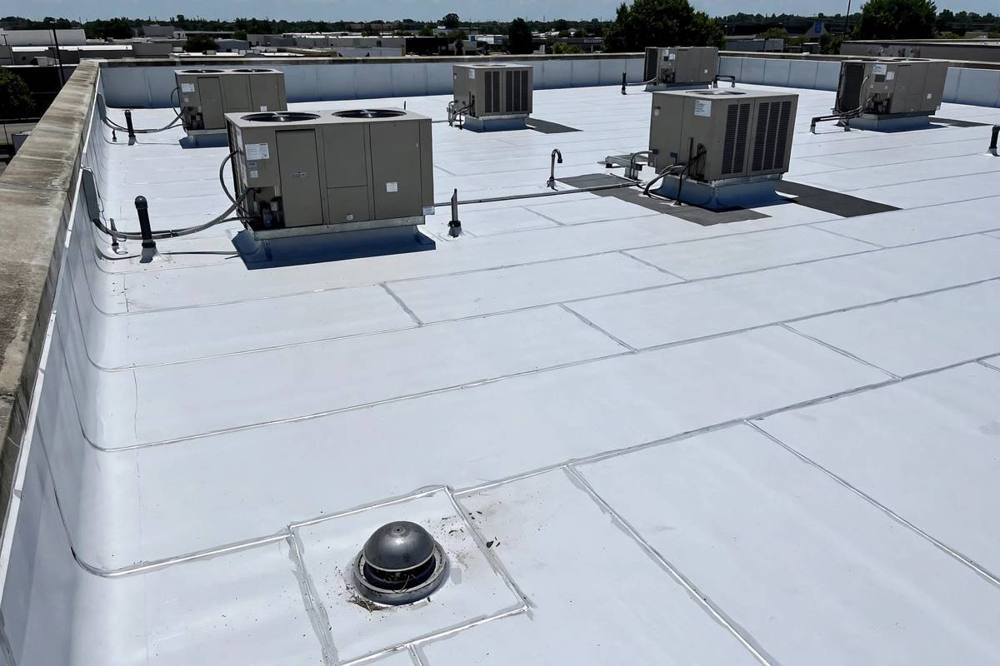
Flat roof roofing Gardena, on this page, means residential low-slope roofs: an addition's flat section, a garage roof, or a small multifamily building's low-slope field. The work is membrane work — TPO, PVC, modified bitumen, or EPDM — and the first question is always drainage, because a low-slope roof that ponds is a low-slope roof that leaks.
Based at 1247 W 130th St, Gardena, and open 24 hours every day.
Review the approach and call for an estimate before deciding.
What is found on the roof is shown, not just described.
Follow-through from first call to final walkthrough.
A low-slope roof is a drainage system with a membrane on top. Each item below is part of making water leave the roof instead of standing on it.
Slope, drains, scuppers, and gutters are assessed before any membrane is chosen, since the membrane cannot compensate for water that has nowhere to go.
Low spots that hold water are corrected with tapered build-up or drainage changes, so the new membrane starts on a roof that drains.
TPO, PVC, modified bitumen, or EPDM is matched to the roof's slope, foot traffic, penetrations, and the owner's priorities — no single membrane is claimed best for every flat roof.
Membrane seams are welded or sealed to their system's method, and flashing at walls, curbs, and penetrations is built into the membrane, not added over it.
Vents, pipes, and any rooftop units are flashed as part of the membrane system, since penetrations are where flat roofs most often leak.
The membrane's drainage is tied into working drains, scuppers, and gutters, so water leaving the membrane actually leaves the building.
Share what is happening and receive a clear next step from the local team.
Gardena's residential flat roofs are usually the flat sections of otherwise pitched homes — an addition, a garage, a rear extension — plus the low-slope fields of duplexes, fourplexes, and small apartment buildings. Their enemy is specific: concentrated winter rain on a slope too low to shed it quickly, so any low spot, blocked drain, or failed seam holds water until it finds a way in. Ponding is therefore not a cosmetic issue here; it is the failure mechanism, and it is addressed before the membrane is discussed.
Gardena is an incorporated Los Angeles County South Bay city (incorporated 11 September 1930, 5.86 sq mi, 2020 population 61,027), with a median year built of 1964 and its largest building decade 1950–59 (28.4%). It is flat, at about 49 ft, with concentrated winter rain of about 13–14 inches a year, mostly November to March and near-zero June to September, plus Santa Ana wind season and strong sun and heat ageing. City of Gardena form BLD-020 (rev. 12/2/25) gives the design criteria as 100 mph wind, Exposure C, Seismic Design Category D, and Climate Zone 8. Permits are issued by the City of Gardena Building & Safety, 1700 W 162nd St — City counter (310) 217-9530 — not LADBS, which covers the City of Los Angeles only.63, thermal emittance 0.75, or aged SRI 75, but the safe wording on this page is that compliance is checked at permit stage for the roof type and area involved. Commercial flat roofs are covered separately on the commercial roofing page. Related reading on flat-roof ponding is in the blog link at the bottom of this page.
Call to discuss an estimate. Where it ponds, where it leaks, and what the roof covers help aim the first look.
Slope, drains, scuppers, seams, and flashing are checked, and ponding is mapped after rain where possible.
Ponding correction and drainage work are scoped before the membrane, so the new surface starts on a roof that drains.
The chosen membrane is installed to its system's seam method, with flashing built in at walls, curbs, and penetrations.
Drainage is checked, the finished membrane is walked and photographed, and drain-clearing notes are left for the owner.
Fall to drains is measured, so ponding correction is sized from evidence rather than guessed from a puddle's edge.
Thermoplastic seams are heat-welded to their system's method, creating a seam that is part of the membrane, not glued onto it.
Modified bitumen and EPDM follow their own seam methods — torched, adhered, or taped — matched to the membrane chosen.
Seams are probed and rolled as they are made, so a weak seam is found during installation, not at the next storm.
Drains and scuppers are cleared and checked as part of the job, since a new membrane over a blocked drain is a short-lived roof.
Ponding, seams, flashing, and finished drainage are photographed, so the owner sees the roof's drainage, not just its surface.
The low spot is mapped, tapered build-up restores fall to the drain, and a new membrane goes on a roof that now drains instead of one that merely looks new.
The penetration flashing, not the field, has failed. The membrane around it is renewed with flashing built into the system, and the drain it feeds is cleared.
Seams are renewed as part of a membrane scope, drainage is corrected, and work is staged so tenants are not displaced by the job.
Gardena is an incorporated Los Angeles County South Bay city (incorporated 11 September 1930, 5.86 sq mi, 2020 population 61,027), with a median year built of 1964 and its largest building decade 1950–59 (28.4%). It is flat, at about 49 ft, with concentrated winter rain of about 13–14 inches a year, mostly November to March and near-zero June to September, plus Santa Ana wind season and strong sun and heat ageing. Residential flat work here is mostly additions and small multifamily fields, where drainage to a single drain or scupper decides the whole job. City of Gardena form BLD-020 (rev. 12/2/25) gives the design criteria as 100 mph wind, Exposure C, Seismic Design Category D, and Climate Zone 8. Permits are issued by the City of Gardena Building & Safety, 1700 W 162nd St — City counter (310) 217-9530 — not LADBS, which covers the City of Los Angeles only.
Older frontage brings parapet and party-wall flashing into some residential flat jobs, alongside the usual drainage questions.
Tract additions commonly combine a pitched main roof with a low-slope section, and the junction flashing between them is scoped as its own item.
Garages and rear extensions on larger lots still pond the same way — a low spot is a low spot regardless of lot size.
Southern Gardena's older stock includes small multifamily flat fields where tenant coordination and drainage share the scope.
North Gardena tract additions mix pitched and flat sections, so the flat scope names its drains and its junction flashing.
Concentrated November-to-March rain is when ponding shows itself, and when a flat roof's drainage is truly tested.
A membrane cannot compensate for water with nowhere to go, so drainage correction leads every flat scope here.
A garage flat roof ponds and leaks by the same mechanism as a large one; size changes the scope, not the diagnosis.
The addition's flat section ponded after every storm, and the membrane had seam failures where water stood longest.
Tapered build-up restored fall to the drain, and a new membrane went on a roof that drains.
Maintenance: Keep the drain and scupper clear; a blocked drain recreates the ponding the job corrected.
A garage roof leaked at a vent penetration each winter, while the field itself stayed sound.
The penetration flashing was renewed as part of the membrane system, and the drain it feeds was cleared.
Maintenance: Check penetration flashing after wind season, when displacement first shows.
Seam failures and tenant ceiling stains recurred across a small multifamily flat field with a blocked scupper.
Seams were renewed, drainage corrected, and the scupper cleared, with work staged around tenants.
Maintenance: Clear scuppers each autumn before the rains, and report any new ceiling stain promptly.
Flat roofs fail at drainage, seams, and flashing — in that order.
A low spot or blocked drain holds water until it finds a seam. Correcting fall and clearing drainage removes the cause, not just the puddle.
A seam that has opened lets standing water straight under the membrane. Renewing seams to the system's method restores the waterproof layer.
Vents and pipes through a flat roof leak when their flashing separates. Flashing built into the membrane stops it.
A membrane over a blocked drain fails early. Clearing and tying drainage into the scope protects the new surface.
A flat roof is verified by its drainage: fall to drains, clear scuppers, and seams that were probed as they were made. Ask how ponding was mapped and what the fall to drain now is.
Full roof replacement plus seamless gutters; praised a detailed consultation, the company's own trained crew rather than subcontractors, daily project-manager presence, daily cleanup, and passing inspection.
First full roof replacement and new gutters; praised a step-by-step explanation and patience with insurance and financing questions, and clear communication.
Full roof replacement, gutters, gutter guard, and siding work in the reviewer's own account; praised colour renderings, scheduling, organisation, and communication, and options suited to Gardena sun and seasonal rain.
Leak leading to full replacement; praised a fast estimate and inspection, fair repair-versus-replacement advice, a 2-day install, and rooftop photos.
Reroof after poor workmanship and leaks on a new-home build; praised a thorough explanation, insurance-claim help, careful work on a steep roof with a special panel system, and cleanup.
Aggregate only for the other reviews: 4.9 stars across 42 reviews in total. Reviewers described pricing as fair; no dollar figure is claimed from reviews.
A low-slope roof sheds water slowly, so any low spot, blocked drain, or failed slope holds water after Gardena's concentrated winter rain. Ponding is mapped and corrected — tapered build-up or drainage changes — rather than covered with a new membrane alone.
TPO, PVC, modified bitumen, and EPDM each suit different slopes, foot traffic, and penetration patterns. The choice follows the roof in front of you, and no single membrane is claimed best for every flat roof here.
Yes, in scale and staging. This page covers residential additions, garages, and small multifamily roofs. Shops, warehouses, and centres, with phased work over operating tenants, are on the commercial roofing page.
They need different maintenance: drain and scupper clearing before the rains matters more, since a blocked drain recreates ponding. Seam and flashing checks follow the same seasonal rhythm as pitched-roof maintenance.
Not seeing your question? Our local team can help you understand urgency, scheduling and what to expect. Related reading: Why is my flat roof ponding water after storms?.
Ask the local team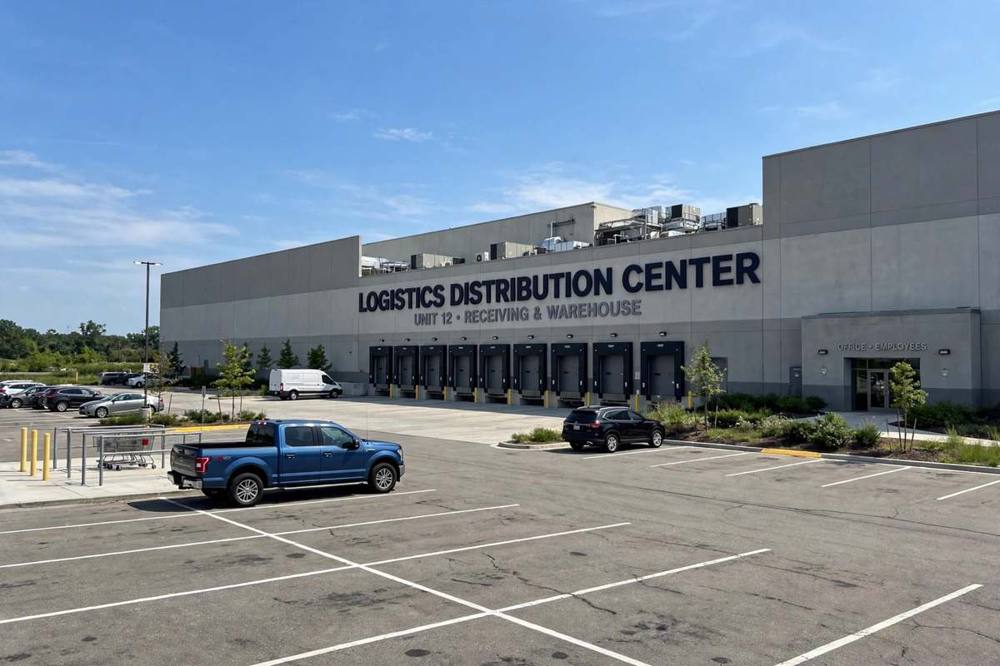
Shops, warehouses, and centres, phased around operating tenants.
View service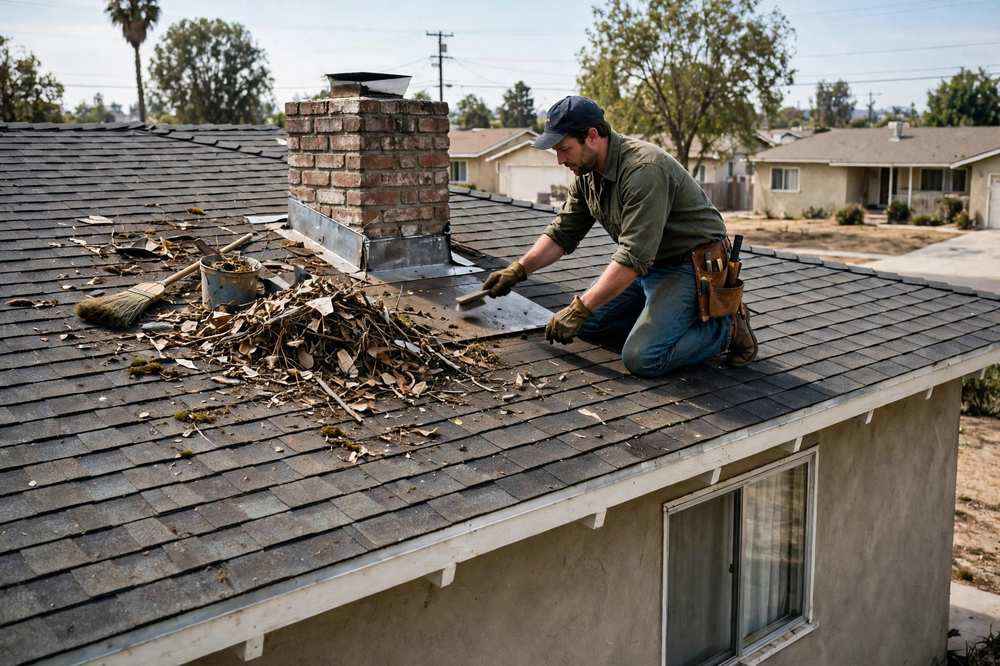
Seasonal checks, clearing, and small reseals that keep a roof sound.
View service
A documented look at condition and remaining life, with photos.
View service
Targeted fixes for a defined problem, without replacing the whole roof.
View serviceRelated reading: Why is my flat roof ponding water after storms?. Gardena locations for this service: North Gardena, South Gardena, Moneta, Hollypark, Gardena Downtown.
Call us at +1 (562) 600-4041. We are open 24 hours every day. Tell us what the roof is doing and we will tell you what it needs, and arrange a time to look at it.