Phone-only contact
Call +1 (562) 600-4041 to discuss an estimate.
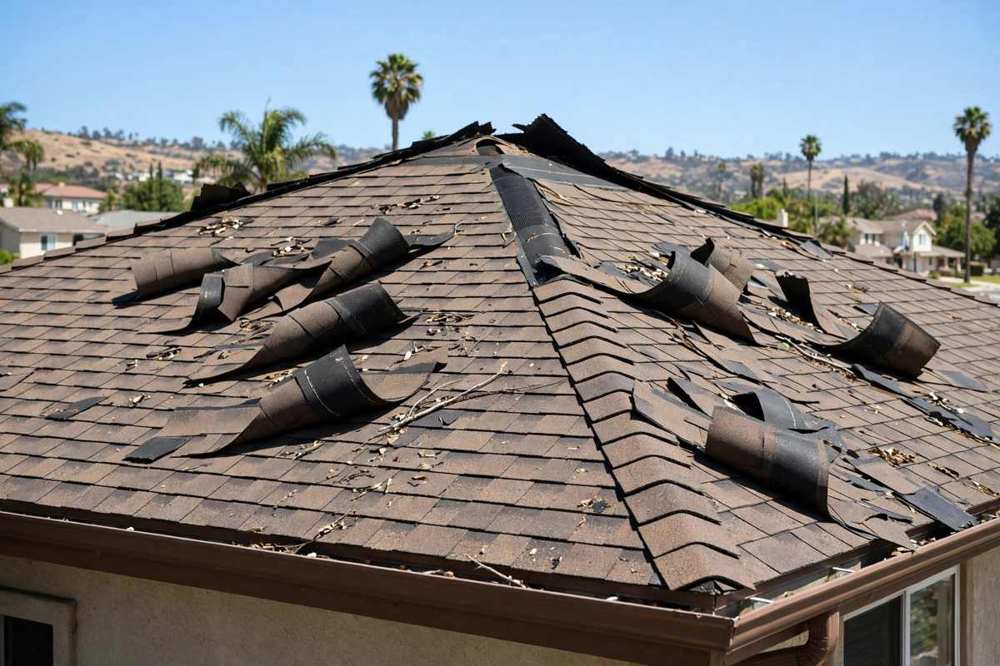
Storm damage in Gardena has two faces: Santa Ana wind that lifts shingles and opens roof sections, and winter rain that finds every failed valley, flashing and pipe boot in bursts. This page merges wind-damage work into storm damage — there is no separate wind page — and covers tarping, assessment and insurance-claim documentation with no outcome promises. Gardena has no verified hail story, and hail work is not offered as a Gardena service. Call +1 (562) 600-4041 to discuss an estimate.
Call +1 (562) 600-4041 to discuss an estimate.
Review the approach before deciding.
Equipped vehicles and respectful cleanup.
A Gardena contractor serving Gardena homes.
Storm work is assessment first: what the wind lifted, what the rain entered through, and what must be covered before either gets worse.
Wind-opened or rain-breached sections are tarped and secured, so the next rain does not compound the damage.
Lifted, creased or missing shingles, ridge-cap displacement and gutter and flashing displacement from Santa Ana winds are mapped section by section.
Leaks that appeared in bursts are traced to valleys, flashing, boots and junctions, rather than attributed to the storm in general.
Damage is photographed and described in writing for any insurance claim you choose to make; no claim outcome, coverage or payment is promised.
Once covered and dry, the permanent scope — field repair, flashing rebuild or section work — is scoped as its own job.
Share what is happening and receive a clear next step from the local team.
Storm damage roof repair in Gardena covers Santa Ana wind uplift and winter-rain leaks as one scope, because Gardena storms deliver both: offshore winds that lift and displace roofing, and concentrated rain that enters through every junction the wind and age have weakened.
What is claimed is the mechanism: dry offshore winds in Santa Ana season stress fastening and edge details, and the winter bursts that often follow test the weakened junctions with concentrated water. Assessment therefore separates wind evidence (lifted, creased, displaced covering) from rain evidence (entry through valleys, flashing and boots), because the two demand different permanent repairs even when one storm caused both. Documentation is kept factual throughout: photographs and written descriptions for any insurance claim, with no outcome promised.
Opened or breached sections are tarped first, so active water entry and further wind exposure stop.
Wind-uplift evidence and rain-entry evidence are mapped separately, section by section, with photographs.
You receive photographs and a written description of the damage, for your records and any insurance documentation you choose to pursue.
The permanent repair — field, flashing or section work — is scoped and discussed without any claim-outcome promise.
Field and junction repairs are carried out once the roof is dry and safe, and the finished work is walked through.
Tarps lapped to shed water and secured against further wind, not just draped over damage.
Lifted and creased covering is mapped by section, so wind damage is not guessed at from a single lifted shingle.
Burst-rain entry is traced to its valley, flashing or boot junction, not attributed vaguely to the storm.
Before, during and after photographs form the factual record for any claim documentation.
Junctions weakened by wind and rain are rebuilt in drainage order, not resealed over.
Wind-lifted field covering is repaired or replaced by section, matched to the surrounding roof.
Lifted and creased covering is mapped, covered before the next rain, and repaired by section.
A new burst-rain leak is traced to its junction — valley, flashing or boot — and temporarily stopped, then rebuilt.
Edge and gutter displacement is assessed with the roof field, because wind damage at the edge admits rain at the junction.
Damage is photographed and described in writing, with no outcome promised, so your claim rests on a factual record.
Gardena is an incorporated Los Angeles County South Bay city (incorporated 11 September 1930, 5.86 sq mi, 2020 population 61,027), in Climate Zone 8, with a median home built year of 1964 and the largest building decade 1950–59. Rain here is concentrated in winter (about 13–14 inches a year, November–March, near-zero June–September), with Santa Ana wind season and strong summer sun and heat ageing roofs. Design criteria from City of Gardena form BLD-020 (rev. 12/2/25) are 100 mph wind, Exposure C, Seismic Design Category D. Permits for re-roofs go through the City of Gardena Building & Safety Division, City Hall Room 101, 1700 W 162nd St — not LADBS. Gardena permit fees are valuation-based under the 1 July 2026 schedule; there is no flat residential reroof fee, and CF1R forms are required for a reroof permit. Storms here are a sequence, not a single event: Santa Ana winds stress fastening and edges in dry air, then winter bursts drive rain through whatever the wind and age have loosened. A storm assessment that only looks for one half of that sequence misses the other half's repair.
Related reading: How to prepare your roof for Gardena storm season.
Founding-stock homes where ageing fastening and flashing meet Santa Ana winds first.
1960s tracts where wind-lift patterns repeat across similar roof sections, making uplift easy to map.
Mixed frontage where wind and rain damage to parapet and commercial sections needs a different assessment than a house roof.
Offshore wind season lifts shingles and displaces ridge caps and edge details; uplift is mapped, not assumed.
Concentrated rain enters through valleys, flashing and boots; entry points are traced, not generalised.
Covering an opened section before the next burst matters more than starting a permanent repair in wet conditions.
Santa Ana wind lifted and creased a tract roof section, with ridge caps displaced, ahead of forecast rain.
The section was tarped and secured before the rain, uplift was mapped, and the permanent field repair followed once dry.
Maintenance: Check ridge caps and edges after every Santa Ana event, before the next rain.
A home that had never leaked developed a ceiling stain in its first heavy winter burst.
Tracing found a valley flashing failure the wind and age had weakened; the valley was temporarily covered, then rebuilt.
Maintenance: A first leak in a burst is a junction story until tracing proves otherwise.
Wind bent gutters and displaced roof-edge covering, admitting rain at the eave.
The edge was covered, gutters and edge flashing assessed together, and the junction rebuilt as one scope.
Maintenance: Assess edge, gutter and field together after wind; they fail together.
Storm problems divide into what the wind moved and what the rain entered through — and the permanent repair follows that division.
Lifted, creased or missing shingles and displaced ridge caps, mapped by section and repaired by section.
Rain entering through valleys, flashing and boots weakened by wind and age, traced and rebuilt at the junction.
Wind-bent gutters and displaced edge covering that admit rain at the eave, assessed with the field.
A storm that both lifts covering and drives rain through junctions needs both scopes, sequenced — cover first, repair dry.
Storm expertise is telling wind evidence from rain evidence, covering the roof before the next rain, and documenting facts without promising a claim outcome.

Paraphrased summaries of five 5-star Google reviews; the other 37 reviews are counted in the 4.9-star, 42-review aggregate only.
Full roof replacement plus seamless gutters; praised a detailed consultation, the company's own trained crew rather than subcontractors, daily project-manager presence, daily cleanup, and passing inspection.
First full roof replacement and new gutters; praised step-by-step explanation and patience with insurance and financing questions, and clear communication.
Full roof replacement, gutters, gutter guard, and siding work in the reviewer's own account; praised colour renderings, scheduling, organisation, and communication, and options suited to Gardena sun and seasonal rain.
Leak leading to full replacement; praised a fast estimate and inspection, fair repair-versus-replacement advice, a 2-day install, and rooftop photos.
Reroof after poor workmanship and leaks on a new-home build; praised a thorough explanation, insurance-claim help, careful work on a steep roof with a special panel system, and cleanup.
Yes. Wind-damage work is merged into this storm damage page by design — Santa Ana uplift, displaced covering and edge damage are assessed and repaired here.
Damage is photographed and described in writing for any claim documentation you choose to make. No claim outcome, coverage or payment is promised or implied.
If a section is opened or water is entering, covering comes first. A tarp stops the next rain compounding the damage while the permanent scope is planned.
As soon as the section is safely covered and conditions allow. Early assessment and photography preserve the factual record before further weather changes the damage pattern.
Not seeing your question? Our local team can help you understand urgency, scheduling and what to expect.
Ask the local team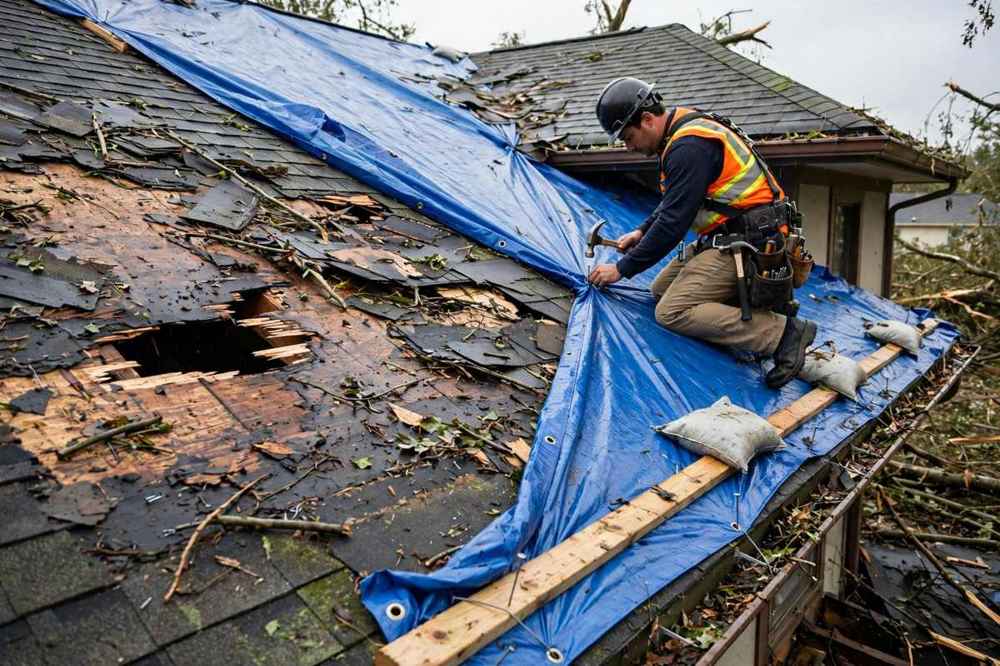
Active leaks and opened sections get emergency cover first, any hour.
View service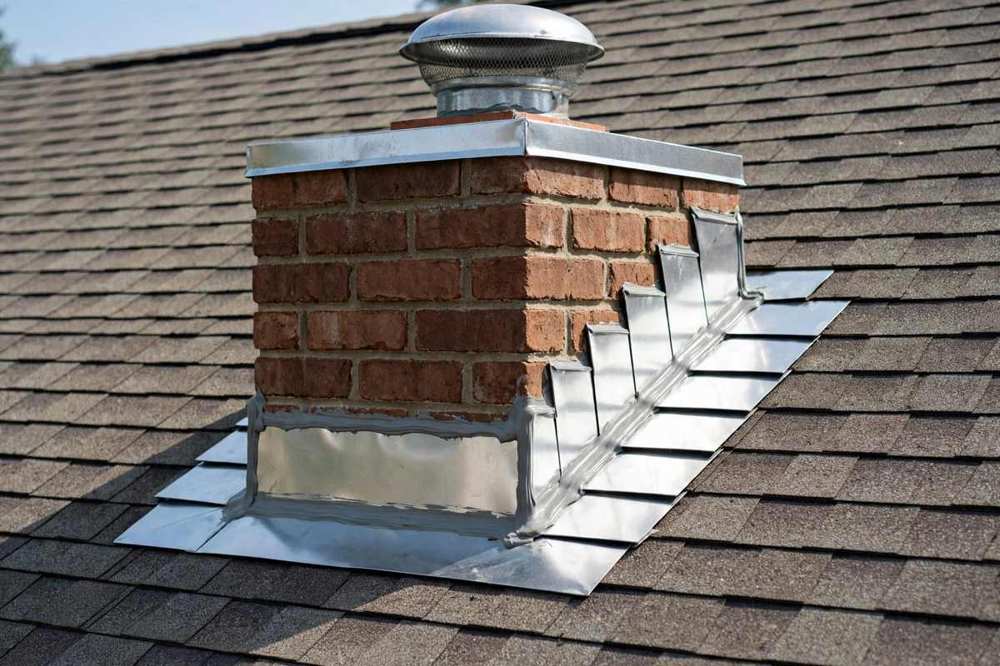
Burst-rain leaks usually trace to a junction that needs rebuilding.
View service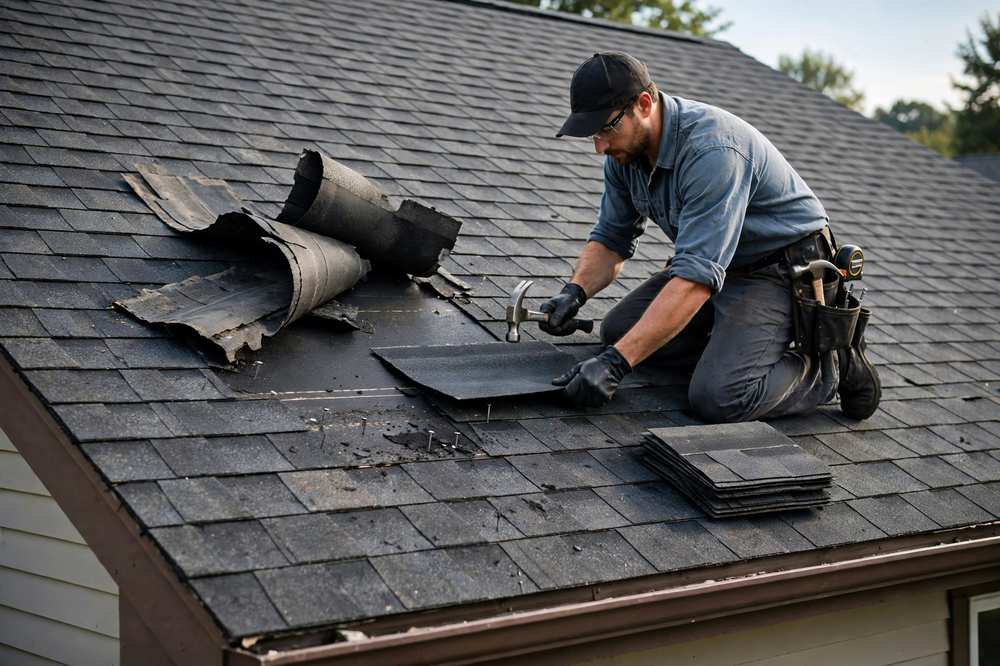
Permanent field repairs follow storm assessment as their own scope.
View service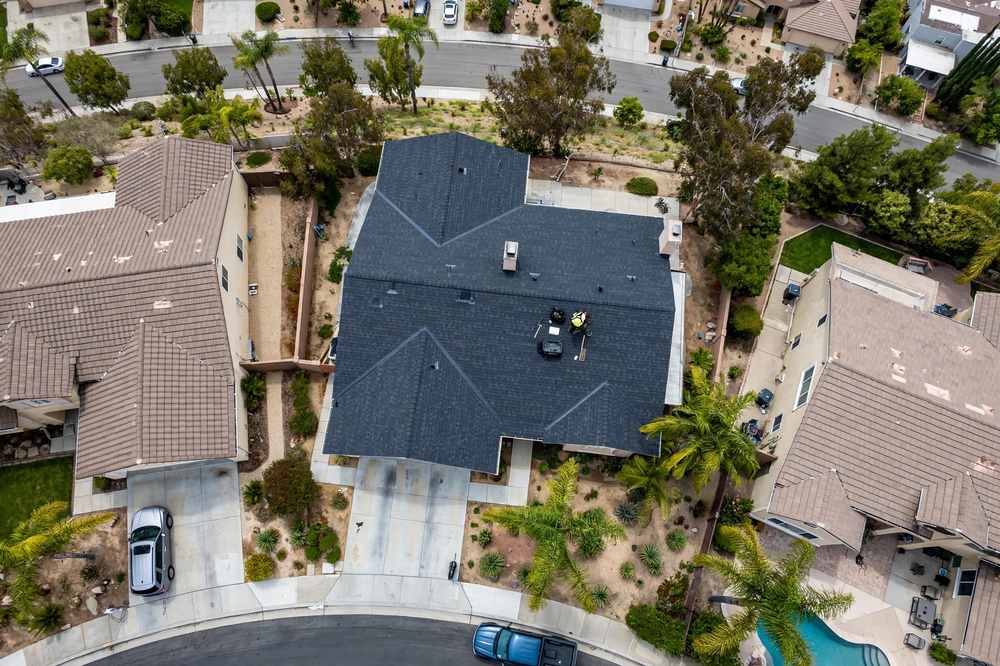
A post-storm inspection maps wind and rain evidence across the whole roof.
View serviceCall us at +1 (562) 600-4041 to discuss an estimate. Our phones are open 24 hours every day. Tell us what the roof is doing and we will tell you what it needs.