Phone-only contact
Call +1 (562) 600-4041 to discuss an estimate.
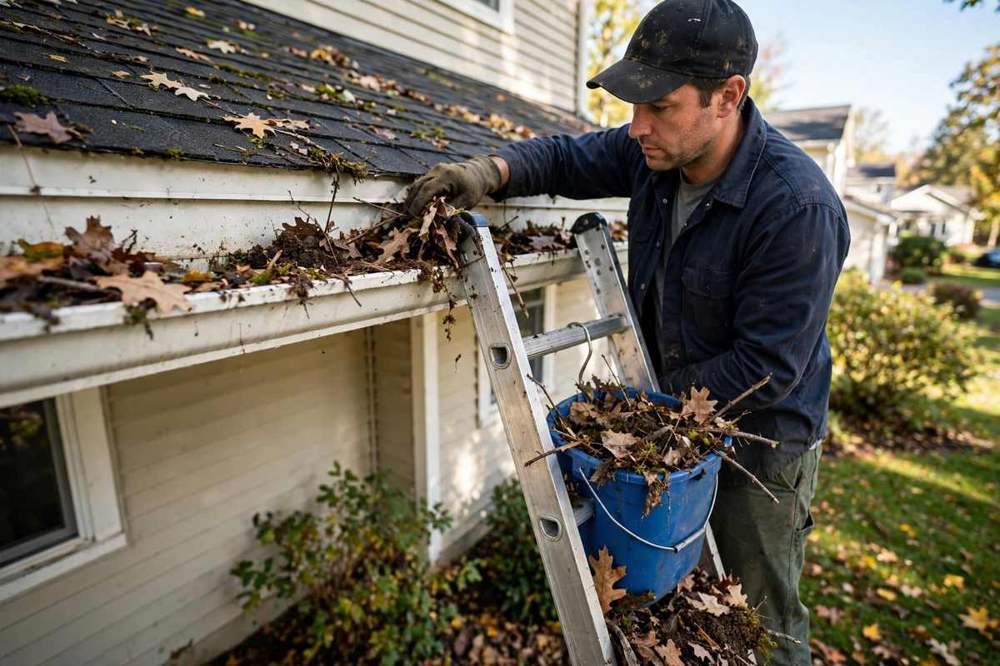
Gutter cleaning in Gardena is winter-rain preparation, not cosmetic tidying. Leaves, granules and valley debris load a run, flatten its drainage and push water over the back edge onto fascia — and Gardena's rain arrives concentrated between November and March, so a blocked run fails all at once. Call +1 (562) 600-4041 to discuss an estimate.
Call +1 (562) 600-4041 to discuss an estimate.
Review the approach before deciding.
Equipped vehicles and respectful cleanup.
A Gardena contractor serving Gardena homes.
Cleaning covers the run, the valleys that feed it, and the downspouts that must carry water away — a cleared gutter with a blocked downspout still overflows.
Leaves, granules, twigs and settled debris are removed by hand along the full run, not just at the visible overflow point.
Debris washed into valleys and sitting at the roof edge is cleared, because valleys are where loading starts and where water first backs up.
Each downspout is flushed and checked for crushing, joints that leak under flow, and discharge that ponds at the foundation.
While the run is clear, hangers, seams and fascia are looked over; cleaning does not fix a sagging run, and that is said plainly if found.
Removed debris is bagged and taken away, and the ground below the run is left tidy.
Share what is happening and receive a clear next step from the local team.
Gutter cleaning in Gardena means removing the debris load — leaves, shingle granules and valley build-up — that keeps a run from draining, then proving it drains by flushing the downspouts.
The loading pattern here is seasonal: dry months let debris accumulate undisturbed, then winter bursts deliver the year's rain in a short window. A run can look fine from the ground while its low spots are packed with granules from an ageing asphalt roof, and the first storm then overflows the back edge. That is why cleaning is paired with a pitch and hanger look-over — clearing a sagging run improves it, but does not re-pitch it.
The run, valleys and downspouts are walked and photographed before clearing, so pre-existing sagging or seam failure is on record.
Debris is removed by hand from runs and valley mouths, working toward the downspout so nothing is pushed into it.
Water is run through each downspout to prove flow and expose blockages, crushed sections or leaking joints.
Hangers, seams and fascia condition are noted while the run is clear; repair needs are quoted separately, not assumed.
A last flush confirms drainage, debris is removed, and you are told what was found.
Debris is lifted out by hand so granule-packed low spots and valley mouths are actually emptied, not just pushed along.
Water through each downspout proves flow in a way a visual check cannot.
Roof-plane junctions are cleared where debris collects before it reaches the gutter.
Safe access to the run itself, rather than a ground-only spray that leaves the load in place.
Removed material leaves with the crew instead of being washed onto landscaping or walkways.
Sagging, seam failure and fascia softness found during cleaning are written up for your decision.
Overflow usually means a blocked or flat run; clearing plus a pitch check finds which one it is.
Valley build-up feeds the gutter below it, so both are cleared together.
That pattern points to a downspout blockage or crushed section, found by flushing rather than by clearing the run again.
A pre-season clean — clear runs, free downspouts, noted repairs — is the practical preparation for Gardena's concentrated wet season.
Gardena is an incorporated Los Angeles County South Bay city (incorporated 11 September 1930, 5.86 sq mi, 2020 population 61,027), in Climate Zone 8, with a median home built year of 1964 and the largest building decade 1950–59. Rain here is concentrated in winter (about 13–14 inches a year, November–March, near-zero June–September), with Santa Ana wind season and strong summer sun and heat ageing roofs. Design criteria from City of Gardena form BLD-020 (rev. 12/2/25) are 100 mph wind, Exposure C, Seismic Design Category D. Permits for re-roofs go through the City of Gardena Building & Safety Division, City Hall Room 101, 1700 W 162nd St — not LADBS. Gardena permit fees are valuation-based under the 1 July 2026 schedule; there is no flat residential reroof fee, and CF1R forms are required for a reroof permit. With near-zero rain from June to September, debris sits for months and the first winter storms arrive as bursts, so the cleaning calendar here is genuinely seasonal: clear before the wet season, and re-check after the heaviest debris events, rather than on a fixed monthly rhythm.
Related reading: How to prepare your roof for Gardena storm season.
Founding-stock homes in southern Gardena, where older runs and mature plantings make debris loading a regular, expected call.
1960s tracts in north Gardena, where long runs and valley junctions are the main collection points.
Directional area where tract roofs feed long gutter runs; valley and downspout checks matter as much as the run itself.
Debris at roof-plane junctions is the upstream source of many gutter blockages and is cleared as part of the job.
Ageing asphalt sheds granules that pack low spots; heavy loads are flagged as a roof-wear signal.
Cleaning is scheduled ahead of November–March rain, when a blocked run fails fastest.
A run overflowed its front edge each storm, though it looked clear from the ground; its low spots were packed with granules.
Hand clearing emptied the low spots and valley mouths, downspouts were flushed, and the next storm drained without overflow.
Maintenance: Clear before the wet season and note granule loads as a roof-inspection prompt.
Repeated run clearing had not fixed overflow, because the downspout itself was blocked mid-length.
Flushing located the blockage, the downspout was cleared, and flow was proved end to end.
Maintenance: Flush downspouts at every clean; a clear run over a blocked downspout still overflows.
Debris collected at a valley junction and washed into the gutter below at every rain, re-blocking a freshly cleaned run.
Valley and gutter were cleared together, so the source and the symptom were handled in one visit.
Maintenance: Clear valleys with gutters, not after them.
Cleaning solves loading problems. It does not re-pitch a sagging run or reseal a failed joint — and a cleaning visit should say so when it finds those.
Granules from ageing asphalt settle where pitch is flattest and hold water; hand clearing empties them and flags the roof wear behind them.
Debris at roof-plane junctions washes into the gutter below; clearing the run alone leaves the source untouched.
A run can be spotless and still overflow if its downspout is blocked or crushed; flushing proves it either way.
Leaves and granules hide sagging, seam failure and soft fascia; a proper clean exposes them and reports them, rather than covering them up again.
Cleaning is the cheapest roof-edge inspection Gardena offers — but only if the person cleaning also looks at pitch, hangers, fascia and downspout discharge while the run is clear.

Paraphrased summaries of five 5-star Google reviews; the other 37 reviews are counted in the 4.9-star, 42-review aggregate only.
Full roof replacement plus seamless gutters; praised a detailed consultation, the company's own trained crew rather than subcontractors, daily project-manager presence, daily cleanup, and passing inspection.
First full roof replacement and new gutters; praised step-by-step explanation and patience with insurance and financing questions, and clear communication.
Full roof replacement, gutters, gutter guard, and siding work in the reviewer's own account; praised colour renderings, scheduling, organisation, and communication, and options suited to Gardena sun and seasonal rain.
Leak leading to full replacement; praised a fast estimate and inspection, fair repair-versus-replacement advice, a 2-day install, and rooftop photos.
Reroof after poor workmanship and leaks on a new-home build; praised a thorough explanation, insurance-claim help, careful work on a steep roof with a special panel system, and cleanup.
At least before the November–March wet season, and again after heavy debris events. A fixed monthly schedule is not needed in a climate with near-zero summer rain; timing to debris and to the wet season matters more.
Yes, on this page's scope: each downspout is flushed to prove flow, because a clear run over a blocked downspout still overflows.
No. Cleaning removes the load; a sagging run still needs re-pitching and hangers set into solid fascia, which is quoted as gutter repair, not cleaning.
No. The loads cleaned here are leaves, granules and valley debris, which are the documented Gardena issues.
Not seeing your question? Our local team can help you understand urgency, scheduling and what to expect.
Ask the local team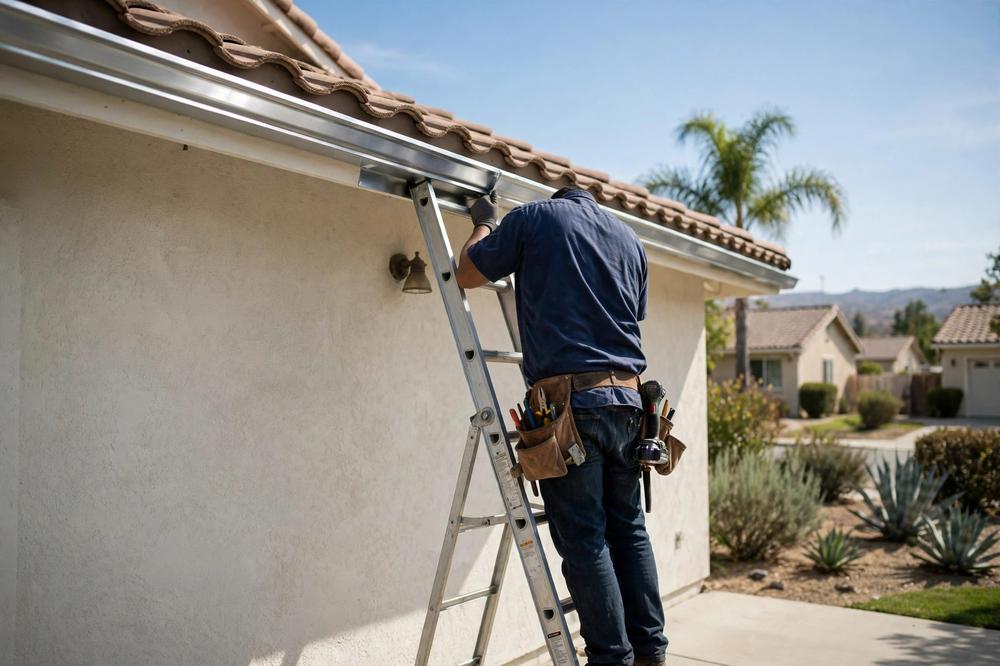
When cleaning exposes sagging, failed seams or soft fascia, repair is the next scope.
View service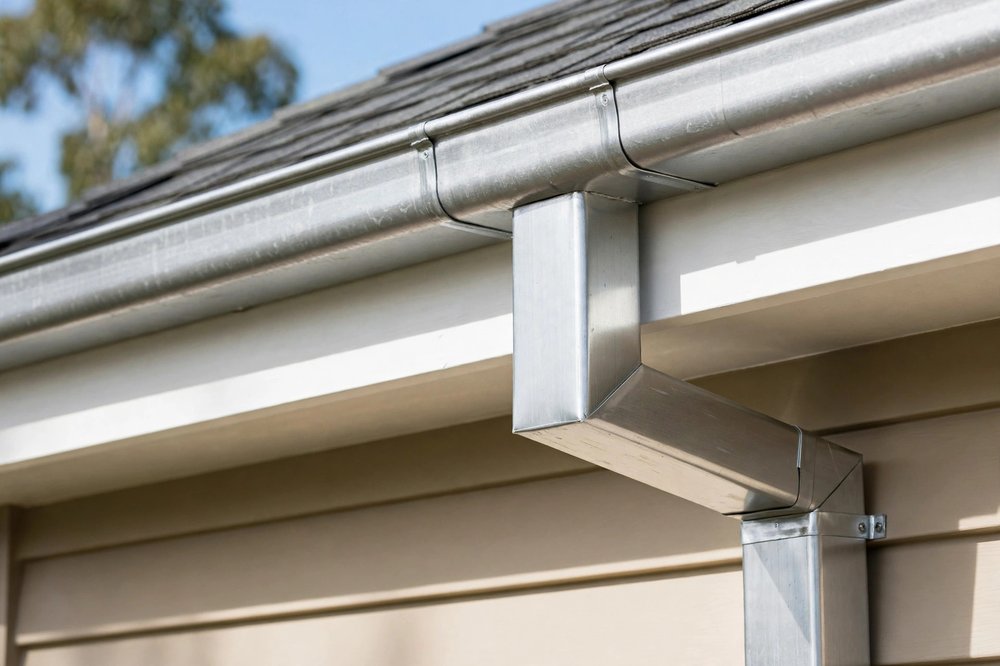
Runs rusted through or repeatedly failing are discussed as replacement, not another clean.
View service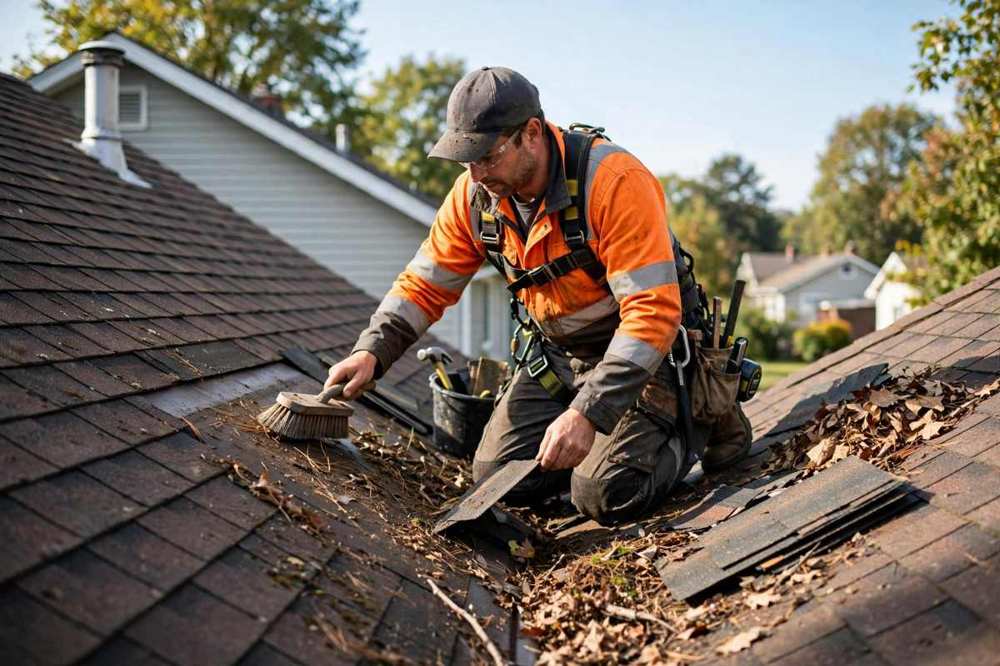
Cleaning sits inside a seasonal maintenance rhythm ahead of winter rain.
View service
Heavy granule loads found while cleaning are a reason to inspect the roof surface itself.
View serviceCall us at +1 (562) 600-4041 to discuss an estimate. Our phones are open 24 hours every day. Tell us what the roof is doing and we will tell you what it needs.