Gardena-based team
Based at 1247 W 130th St, Gardena, and open 24 hours every day.
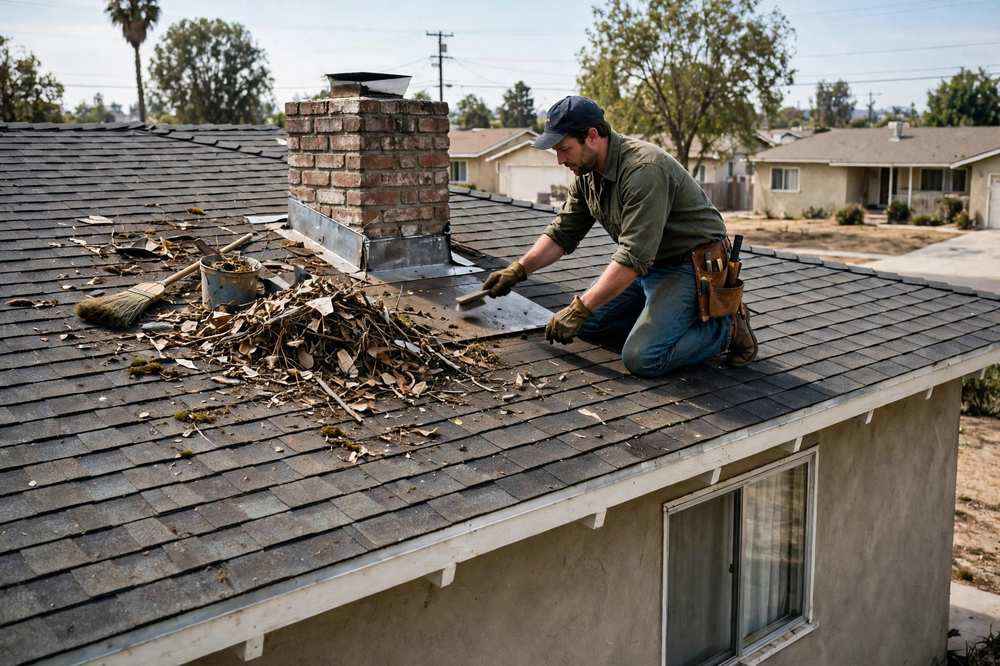
Roof maintenance Gardena is the seasonal work that keeps a sound roof sound: clearing valleys and gutters before the winter rains, checking boots and flashing after Santa Ana wind season, and making small reseals while they are still small. It is the cheapest work a roof ever gets, because it prevents the leak that would otherwise arrive in the first winter burst.
Based at 1247 W 130th St, Gardena, and open 24 hours every day.
Review the approach and call for an estimate before deciding.
What is found on the roof is shown, not just described.
Follow-through from first call to final walkthrough.
Maintenance is a checklist done in order, not a quick look from the ground. Each item below is a failure caught while it is still cheap.
Leaves and debris are cleared from valleys, gutters, and downspouts, since a dammed valley or blocked gutter holds water against joints all winter.
Pipe boots, vent flashings, and penetrations are checked for splitting and separation, and perished boots are replaced before they leak.
Step, wall, and chimney flashing are checked for rust, lifting, and separation, and small displacements are corrected before they become leaks.
The field is walked for lifted courses, cracked or slipped pieces, and previous repairs that have aged, so small field failures are fixed early.
Joints that need sealant get it as a seal on a sound joint — never as a cover over rust or a split, which would only hide the failure.
Anything that should be watched rather than fixed now is written down with what to look for, so the next visit starts from a list, not from scratch.
Share what is happening and receive a clear next step from the local team.
Gardena's maintenance calendar is set by its weather: a long dry summer that ages boots, sealants, and flashing, Santa Ana wind season that lifts courses and ridge caps, and then concentrated winter rain that tests everything at once. The sensible rhythm is therefore twofold — a check before the rains, when clearing and boot and flashing checks matter most, and a check after wind season, when lifted courses are found before the next storm. A roof that gets both checks rarely surprises its owner.
Gardena is an incorporated Los Angeles County South Bay city (incorporated 11 September 1930, 5.86 sq mi, 2020 population 61,027), with a median year built of 1964 and its largest building decade 1950–59 (28.4%). It is flat, at about 49 ft, with concentrated winter rain of about 13–14 inches a year, mostly November to March and near-zero June to September, plus Santa Ana wind season and strong sun and heat ageing. City of Gardena form BLD-020 (rev. 12/2/25) gives the design criteria as 100 mph wind, Exposure C, Seismic Design Category D, and Climate Zone 8. Permits are issued by the City of Gardena Building & Safety, 1700 W 162nd St — City counter (310) 217-9530 — not LADBS, which covers the City of Los Angeles only. Maintenance does not need the City permit route that a re-roof does, since it fixes and preserves rather than replaces; a maintenance visit that finds widespread failure becomes a repair or replacement conversation, and that is stated plainly when it happens. Related reading on storm-season preparation is in the blog link at the bottom of this page.
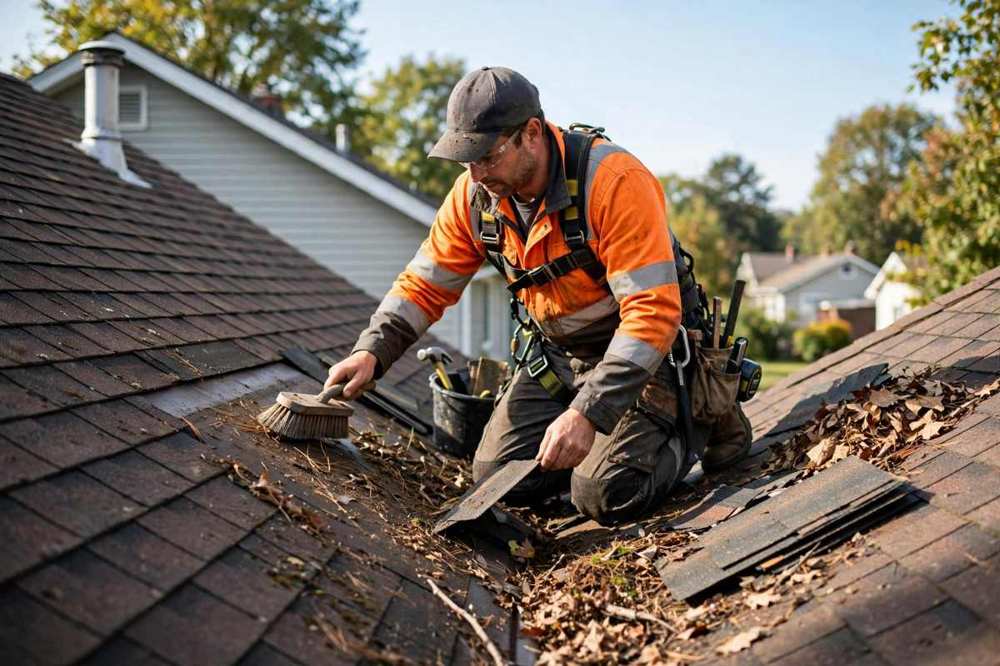
Call to discuss an estimate. The visit is timed to the season — before the rains, or after wind season — so the right checks lead.
Valleys, gutters, and downspouts are cleared, since drainage is checked before joints, and a blocked gutter can mimic a leak.
Boots, flashing, penetrations, and the field are checked in order, and small failures are fixed while the visit is already on the roof.
Perished boots, lifted courses, and displaced flashing are corrected, and anything larger is scoped separately rather than improvised.
The owner gets the findings and a watch list: what was fixed, what was watched, and what to look for before the next visit.
Valleys and gutters are cleared of leaves and debris, so water runs where it should instead of damming against joints.
Courses are lifted cleanly to check beneath them, and replacement pieces are fitted without disturbing sound neighbours.
Small flashing corrections are cut and formed to the joint they serve, rather than patched with a generic piece.
Sealant seals a sound joint; it is never smeared over rust or a split as a substitute for a new part.
Findings and fixes are photographed, so the owner sees what was done and what is on the watch list.
The visit ends with a written list, so maintenance builds a record year to year instead of starting over each time.
The maintenance visit clears dammed valleys, replaces two perished boots, and corrects a displaced flashing run — all before the first winter storm, when each would have leaked.
The post-season walk finds the lifted courses and ridge displacement and refastens them, so the next rain meets a sealed slope instead of an open one.
Clearing finds the downspout blocked at the elbow and the gutter pitched wrong at that corner. Clearing plus a pitch note turns a recurring overflow into a scoped fix.
Gardena is an incorporated Los Angeles County South Bay city (incorporated 11 September 1930, 5.86 sq mi, 2020 population 61,027), with a median year built of 1964 and its largest building decade 1950–59 (28.4%). It is flat, at about 49 ft, with concentrated winter rain of about 13–14 inches a year, mostly November to March and near-zero June to September, plus Santa Ana wind season and strong sun and heat ageing. Maintenance here is timed to the city's seasons: autumn clearing before the rains, and a post-wind-season walk before the next burst. City of Gardena form BLD-020 (rev. 12/2/25) gives the design criteria as 100 mph wind, Exposure C, Seismic Design Category D, and Climate Zone 8. Permits are issued by the City of Gardena Building & Safety, 1700 W 162nd St — City counter (310) 217-9530 — not LADBS, which covers the City of Los Angeles only.
Older frontage and small lots mean gutter and valley clearing is planned around neighbours and foot traffic, not just the roof.
Tract homes with low-pitch sections need pitch-change flashing checked, since slow-moving water finds weak joints there.
Detached homes and small multifamily buildings share the same seasonal rhythm: clear before rains, check after winds.
Southern Gardena's older stock adds tile-field checks where a slipped tile, left in place, lets water under the field all winter.
North Gardena tract homes mix pitched and flat sections, so maintenance names drainage and joints by pitch.
Clearing and boot checks in autumn are maintenance; the same work after a stain appears is repair.
Offshore wind season, typically September to May, lifts courses that a post-season walk finds before rain does.
About 13–14 inches a year, mostly November to March, means drainage clearing is the highest-value maintenance task here.
Valleys were dammed with leaves, two boots had perished, and a flashing run had displaced — none of it leaking yet.
Clearing, boot replacement, and flashing correction were done in one visit, before the first winter storm.
Maintenance: Repeat the autumn visit yearly; boots and valleys age on the same seasonal cycle.
Santa Ana winds had lifted courses and displaced a ridge section, with no leak yet to announce it.
Lifted courses were refastened and the ridge corrected, so the next rain met a sealed slope.
Maintenance: Walk the windward slope after every wind season, even when nothing has leaked.
The same corner overflowed every winter, and the owner had assumed the gutter was simply too small.
Clearing found a blocked elbow and a pitch problem at that corner, turning a mystery into a scoped fix.
Maintenance: Keep that corner's downspout clear and watch its overflow point at the first rains.
Maintenance is worth doing because the failures it catches are all cheaper before they leak.
Leaves dam a valley and hold water against the joint all winter. Clearing before the rains prevents the leak entirely.
A boot that splits in autumn leaks at the first winter burst. Replacing it in maintenance costs a visit, not a ceiling.
Wind-lifted courses let the next rain under the field. Refastening after wind season closes the slope before rain tests it.
A blocked gutter overflows back onto fascia and walls. Clearing restores drainage before overflow becomes damage.
Maintenance is verified by its record: a written list of what was checked, fixed, and watched, visit after visit. Ask what the watch list from the last visit said, and whether this visit followed it.
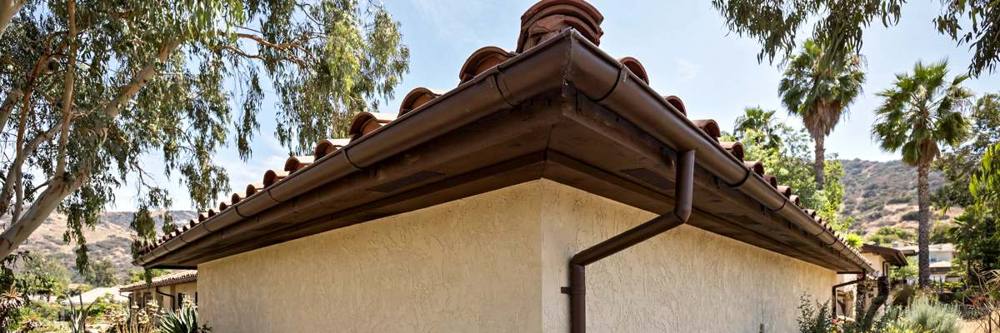
Full roof replacement plus seamless gutters; praised a detailed consultation, the company's own trained crew rather than subcontractors, daily project-manager presence, daily cleanup, and passing inspection.
First full roof replacement and new gutters; praised a step-by-step explanation and patience with insurance and financing questions, and clear communication.
Full roof replacement, gutters, gutter guard, and siding work in the reviewer's own account; praised colour renderings, scheduling, organisation, and communication, and options suited to Gardena sun and seasonal rain.
Leak leading to full replacement; praised a fast estimate and inspection, fair repair-versus-replacement advice, a 2-day install, and rooftop photos.
Reroof after poor workmanship and leaks on a new-home build; praised a thorough explanation, insurance-claim help, careful work on a steep roof with a special panel system, and cleanup.
Aggregate only for the other reviews: 4.9 stars across 42 reviews in total. Reviewers described pricing as fair; no dollar figure is claimed from reviews.
The sensible rhythm follows Gardena's seasons: a check before the winter rains, when clearing and boot and flashing checks matter most, and a check after Santa Ana wind season, when lifted courses are found. Roofs under trees or with flat sections may need clearing more often.
Valley and gutter clearing, boot and penetration checks, flashing checks, a field walk for lifted or cracked pieces, small reseals on sound joints, and a written watch list of anything to follow up.
No. An inspection documents condition and remaining life, often for a transaction or a reroof plan. Maintenance is hands-on seasonal care — clearing, checking, and small fixes — and it produces a watch list rather than a transaction report.
It prevents the leaks whose causes are small and visible beforehand: dammed valleys, perished boots, displaced flashing, and lifted courses. It cannot prevent failure of a worn-out field, which is a replacement conversation, not a maintenance one.
Not seeing your question? Our local team can help you understand urgency, scheduling and what to expect. Related reading: How to prepare your roof for Gardena storm season.
Ask the local team
A documented look at condition and remaining life, with photos.
View service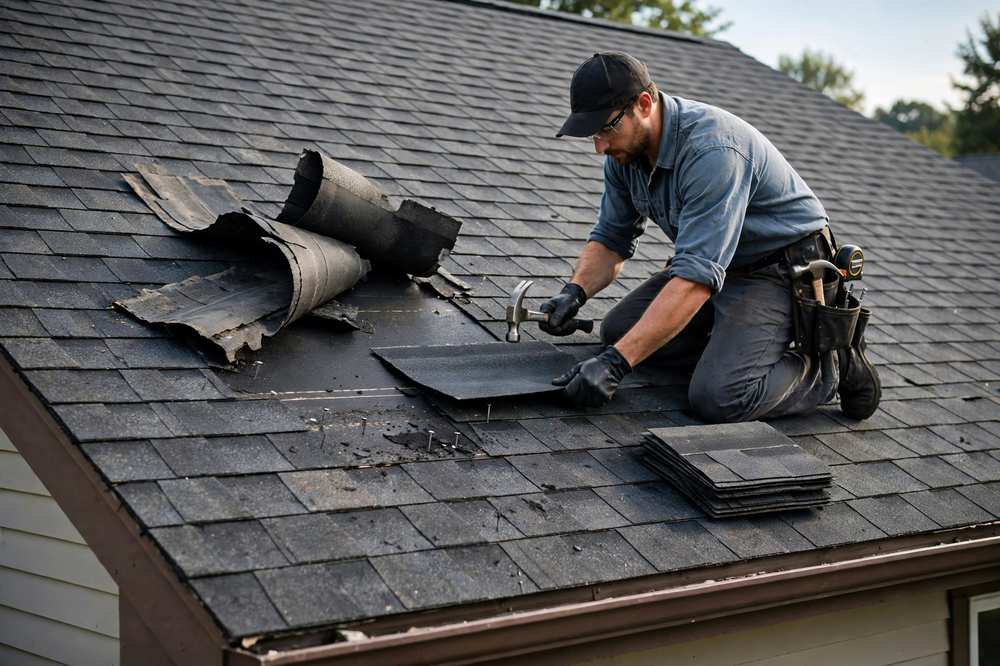
Targeted fixes for a defined problem, without replacing the whole roof.
View service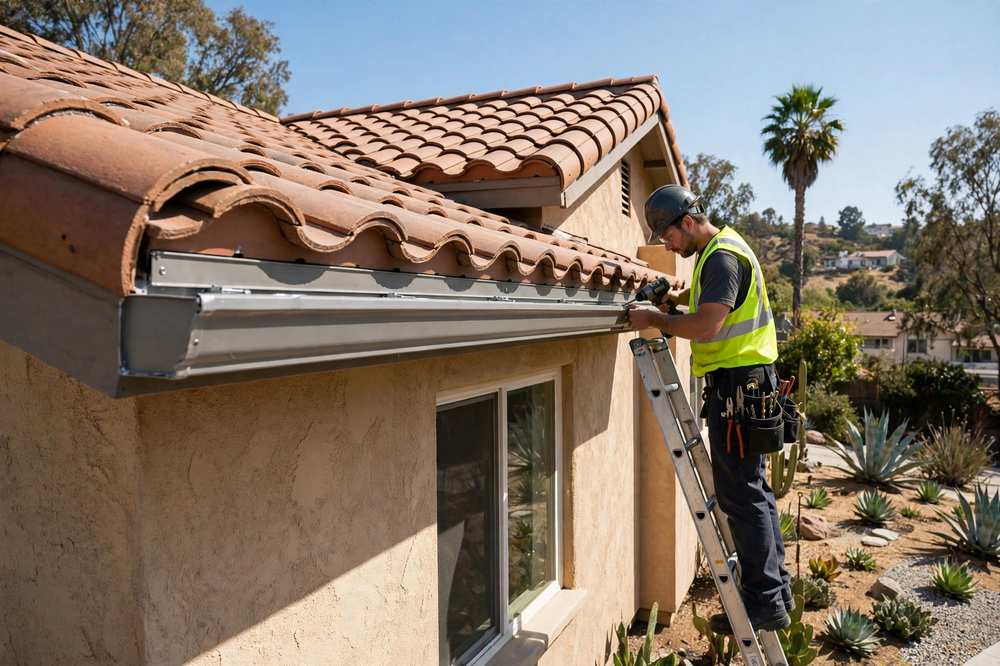
Seamless gutters and downspouts sized for Gardena's burst rainfall.
View service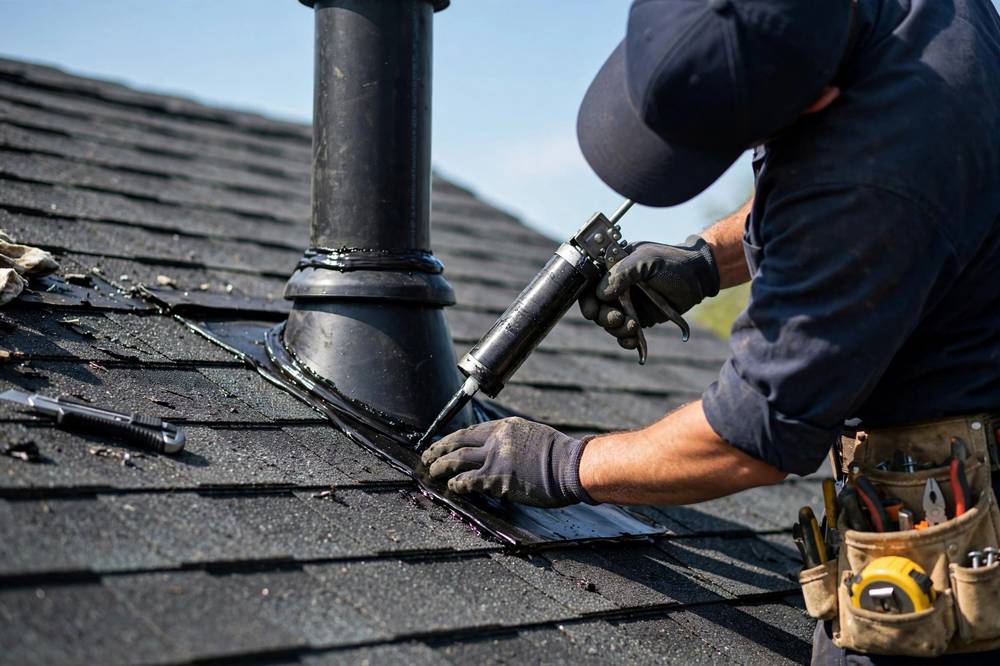
Diagnosis first: find the entry point, stop the water, then fix it properly.
View serviceRelated reading: How to prepare your roof for Gardena storm season. Gardena locations for this service: North Gardena, South Gardena, Moneta, Hollypark, Gardena Downtown.
Call us at +1 (562) 600-4041. We are open 24 hours every day. Tell us what the roof is doing and we will tell you what it needs, and arrange a time to look at it.